Independent product builder · Comox Valley
I build software all the way through.
Native apps, games, public web products, and operational systems—designed, built, tested, and carried into real use.
Shipped
Six apps, each with one clear job.
 01
01NoteGrove
A calm iPhone notes app for capturing thoughts first, then organizing the ones that matter into plants.
Version 1.1 · App Store
 02
02Depthline
A private iPhone weight-trend app for seeing the calmer direction underneath noisy daily readings.
Version 1.2 · App Store
 03
03Carafe
A calm iPhone water log built around one-tap pours, real drinking vessels, and a visual carafe that empties through the day.
Version 1.3 · App Store
 04
04Committed
A private commitment journal that records Held, Mixed, and Slipped days as one continuous thread.
Version 1.1 · App Store
 05
05Portion
A private meal-amount memory that recalls what was enough for a familiar food—without calories, scores, or AI guesses.
Version 1.1 · App Store
 06
06Island Watch
A native iPhone app for checking official-source disruptions, route impacts, and current conditions across Vancouver Island.
Version 1.0 · App Store
Building now
Three products in active development.
Each brings product judgment, engineering, and interface craft into one focused experience.
Open the work index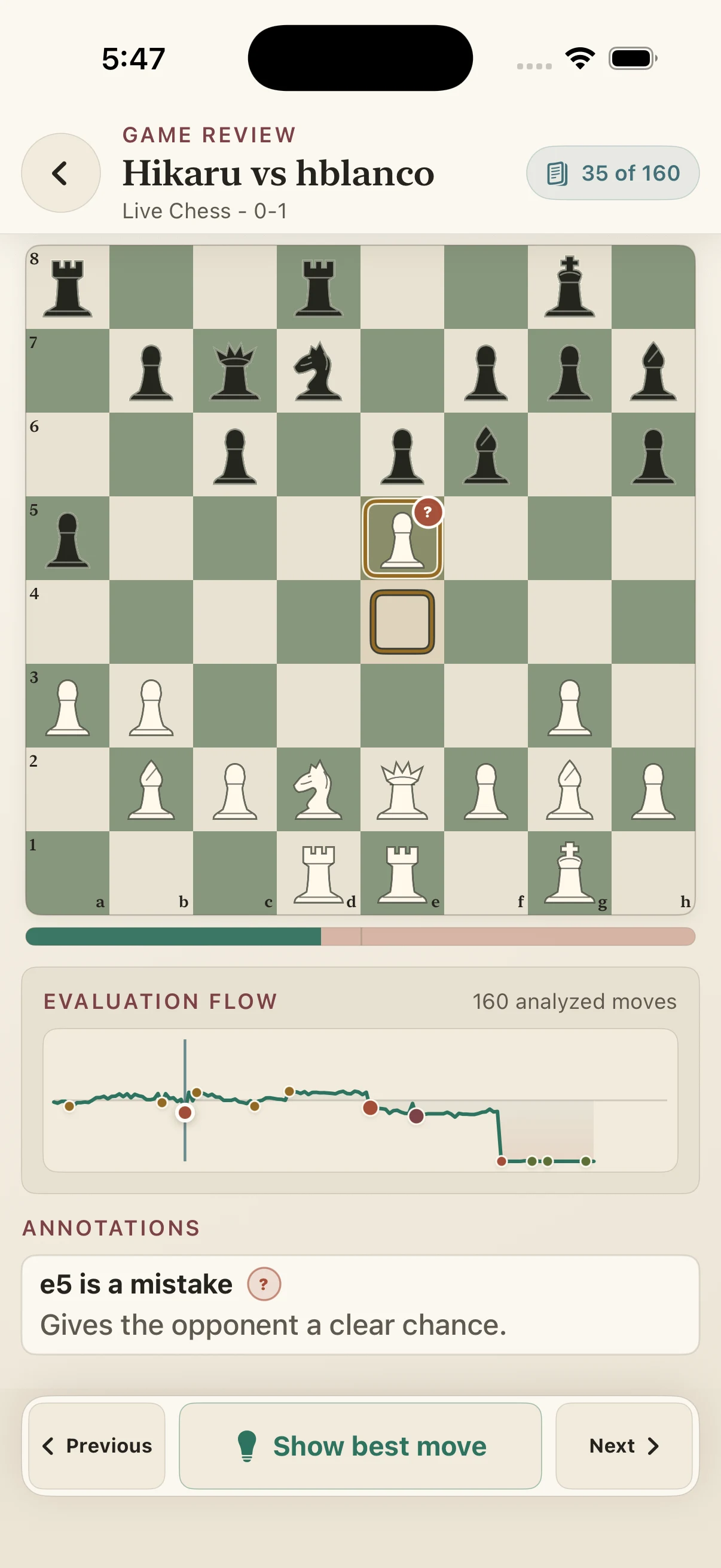
01 · In development
Quiet Move
A private, on-device chess review app that turns completed games into a few critical moments and retryable puzzles.
02 · In development
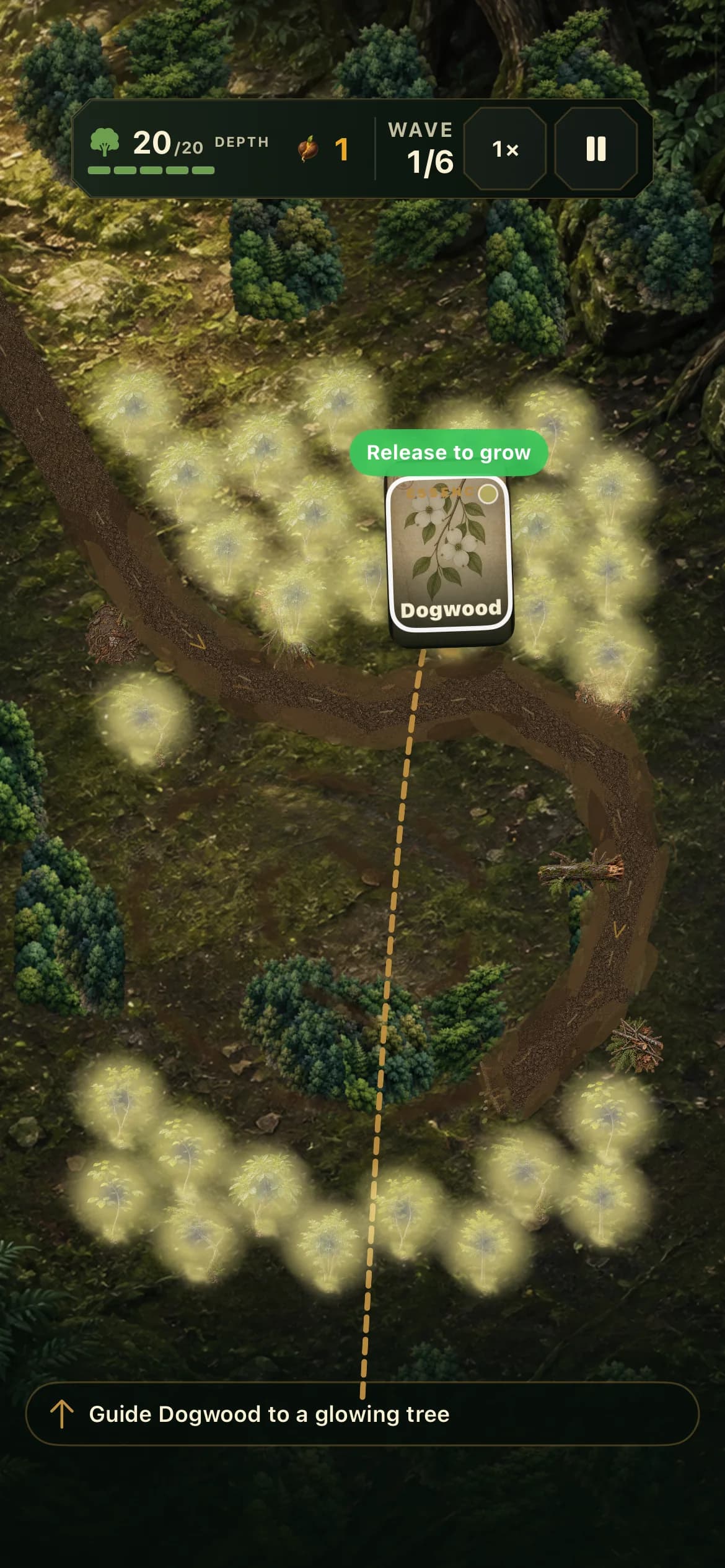
Unfelled
A single-player forest-defense strategy game where ordinary roadside trees awaken against an autonomous construction front.
03 · In development
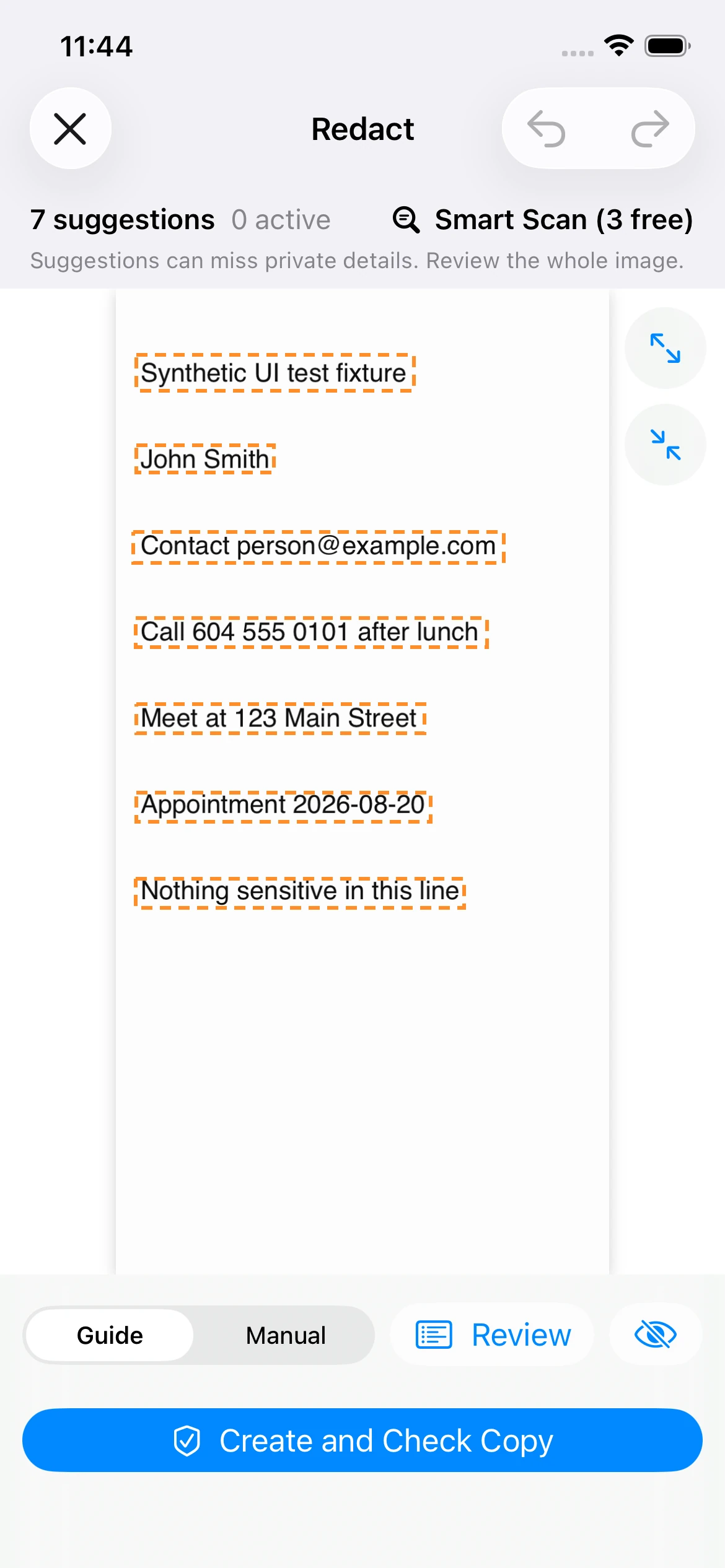
Redact
An iPhone image-redaction utility with manual control, on-device suggestions, and checks performed on the shareable copy.
Software beyond the App Store.
Editorial web product
Island Happenings
Curated Vancouver Island event discovery for deciding what is actually worth doing nearby.
Read the case studyInternal operational software
Restaurant Operations Systems
A connected set of internal tools for attendance, employee reviews, shared documents, reporting, and manager handoff.
Read the case studyProduct principles
01
Clear state
People should know what happened, what is current, and what comes next.
02
Honest boundaries
A product should say what it can know—and what still needs human judgment.
03
Evidence before confidence
What someone can actually use matters more than what a roadmap promises.
04
Useful before expansive
One coherent path earns its place before the surface area grows.
The experience behind the software
Built for the moment after the demo.
Fifteen years in restaurant operations taught me that a system earns trust in busy, imperfect conditions. Painting keeps me attentive to composition, restraint, and what deserves emphasis.
About me and how I work